
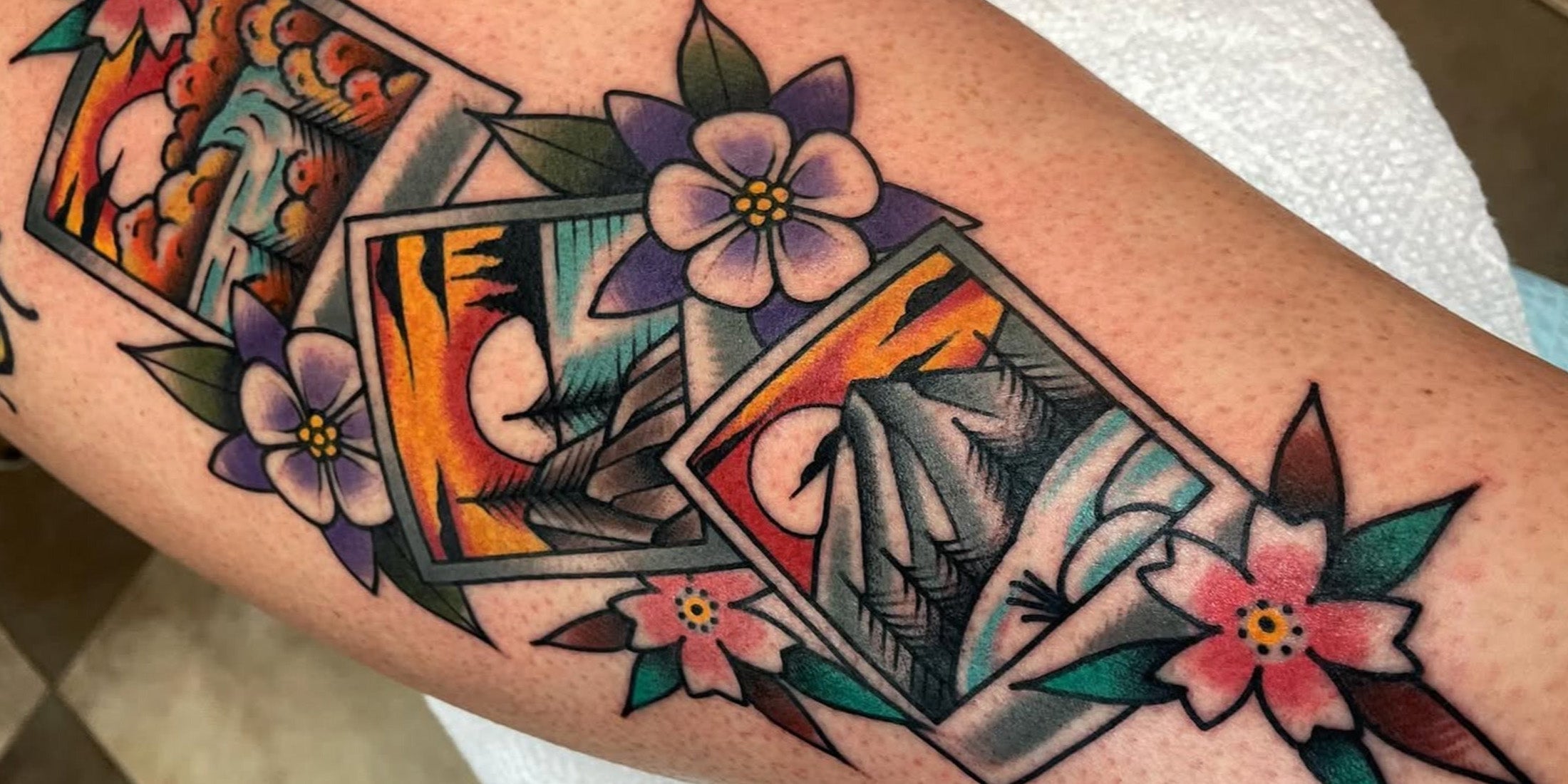
What Defines an American Traditional Tattoo Style?
American traditional tattoo, often referred to as traditional tattoo or old school tattoos, is one of the most recognizable and enduring styles in tattoo history. While many people focus on iconic motifs such as anchors, roses, or skulls, the true identity of American traditional lies deeper—in its core characteristics. These characteristics define not only how the tattoos look, but also why they have remained visually powerful and culturally relevant for more than a century.
From bold black outlines to a limited yet striking color system, American traditional tattoos were designed with longevity, readability, and symbolism in mind. Long before modern machines and pigments existed, tattoo artists needed designs that could survive harsh conditions, aging skin, and limited technical resources. The result was a visual language that remains effective even today.
In this article, we will break down the key characteristics that define the American traditional style. Whether you are researching american traditional tattoo ideas, learning as a beginner, or refining your own traditional tattoo designs, understanding these fundamentals will help you appreciate why this classic style continues to influence modern tattoo culture.
Bold Black Outlines: The Structural Core of American Traditional Tattoos
One of the most defining features of American traditional tattoos is the use of bold, thick black outlines. These outlines act as the structural backbone of the design, giving each image its unmistakable strength and clarity.
Historically, early tattoo machines lacked the precision of modern equipment, and inks were far less refined. Thick outlines ensured that designs remained readable over time, even as the ink naturally spread within the skin. This approach made traditional tattoo designs far more durable than finer styles.
Visually, bold outlines create instant contrast. Even from a distance, an american traditional tattoo stands out clearly. This readability is one of the reasons old school tattoos were so popular among sailors and soldiers, who wanted tattoos that could be easily recognized and remembered.
Today, bold linework remains non-negotiable in authentic american traditional work. Without strong outlines, a tattoo may borrow traditional imagery but will lack the true old school foundation.
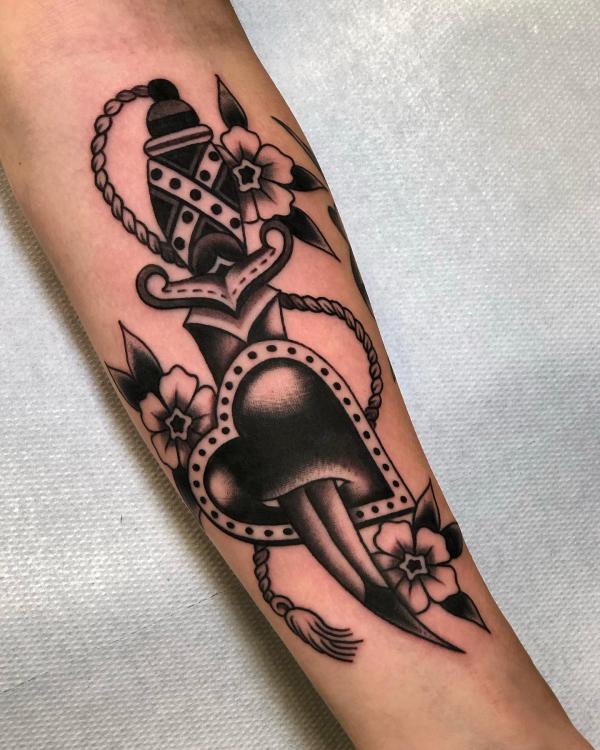
The American Traditional Color Palette: Why Fewer Colors Last Longer
The american traditional color palette is intentionally limited, yet incredibly effective. Rather than using dozens of tones and gradients, traditional tattoos rely on a small group of high-impact colors.
Classic colors include red, yellow, green, blue, black, and sometimes brown. These pigments were chosen not only for availability, but for how well they aged in the skin. Bright, solid colors held their saturation longer and resisted fading better than complex blends.
This limited palette also creates visual consistency. When you see traditional tattoo designs across different artists and eras, they feel connected because they speak the same color language. This consistency is a major reason american traditional tattoos remain timeless rather than trend-driven.
Even today, many artists intentionally restrict themselves to the traditional color palette to preserve the authenticity and long-term impact of their work.

Simple Shading and Solid Color Packing in Traditional Tattoos
Unlike realism or illustrative styles, american traditional tattoos avoid complex shading and smooth gradients. Instead, they rely on solid fills and minimal shading to define form and depth.
Simple shading serves a practical purpose. Solid areas of color age more predictably than soft transitions. Over time, heavily blended tattoos can lose contrast, while traditional tattoos maintain their shape and clarity.
This simplicity also reinforces the bold aesthetic of old school tattoos. Each shape is intentional, every fill is confident, and unnecessary detail is eliminated. The result is a design that feels powerful rather than delicate.
For many beginners, this makes traditional tattoo ideas easier to execute and easier to maintain over time.

Symbolism Over Realism: How Traditional Tattoos Communicate Meaning
American traditional tattoos prioritize meaning over realism. Instead of aiming to replicate real-life appearances, these tattoos focus on symbolic representation.
An anchor does not need to look photo-realistic to communicate stability. A rose does not need fine petals to represent love or sacrifice. This symbolic approach allows traditional tattoos to function almost like visual shorthand—simple images with powerful messages.
This emphasis on symbolism is one reason traditional tattoo designs feel universally understood. Across cultures and generations, these images communicate consistent meanings, making them deeply personal yet widely recognizable.
If you want to explore the origins and deeper symbolism behind these motifs, we recommend reading our pillar guide: American Traditional Tattoo.
Readability and Longevity: Why American Traditional Tattoos Age Well
Few tattoo styles age as gracefully as american traditional tattoos. Their readability over time is not accidental—it is the result of intentional design choices.
Bold outlines prevent ink spread from blurring the image. Solid colors maintain contrast as the skin changes. Clear composition ensures that even decades later, the tattoo remains legible.
This is why american traditional is often recommended for first-time clients. Beginners benefit from a style that forgives minor imperfections and still looks strong years down the line.
From a technical perspective, traditional tattoo ideas are among the most reliable options for long-term satisfaction.
Iconic Composition and Classic Tattoo Fonts in American Traditional Design
American traditional tattoos follow consistent compositional rules. Designs are often centered, balanced, and built around strong, recognizable silhouettes.
Hearts, shields, daggers, and circular frames appear frequently because they hold ink well and read clearly on the body. These iconic shapes are part of what makes traditional tattoo designs instantly recognizable.
Even lettering follows this principle. Traditional tattoo font, classic tattoo font, and old font tattoo styles emphasize bold strokes and clear spacing, ensuring names and phrases remain readable for life.
To achieve clean lines and consistent saturation essential for american traditional work, many artists choose reliable tools. Neebol tattoo starter kit and precision tattoo gun needles are designed for bold linework and solid color packing, making them a practical choice for traditional styles. You can explore the full Neebol collection to find setups suitable for old school tattoos.
FAQ
Are bold outlines necessary for American traditional tattoos?
Yes. Bold outlines are essential for durability, readability, and authenticity within the american traditional style.
Do American traditional tattoos fade less over time?
Generally, yes. Their solid colors and strong contrast help them age better than many modern styles.
Can American traditional tattoos be black and grey only?
Yes. While color is common, black-and-grey traditional tattoos still follow the same core design principles.
Is American Traditional Tattoo a Good Choice for Beginners?
Absolutely. The clear structure and forgiving nature make it ideal for both beginner artists and first-time clients.
Are traditional tattoo fonts still popular today?
Yes. Traditional tattoo font and classic tattoo font styles remain popular due to their timeless readability.
Conclusion
The enduring appeal of american traditional tattoo lies in its fundamentals. Bold outlines, limited colors, simple shading, and powerful symbolism come together to create tattoos that last both visually and culturally.
For artists, mastering these characteristics builds a strong foundation. For clients, choosing traditional tattoo designs means investing in clarity, meaning, and longevity.





Share:
Chicano Tattoo Culture: From Street Art to Fine Art
American Traditional Tattoo vs Neo Traditional Tattoo: Key Differences, Style Evolution & Design Guide