
Understanding tattoo prices can be confusing, especially when artists charge by the hour. If you’ve ever wondered how much does a tattoo cost or why prices vary so much, this guide breaks down everything you need to know about tattoo hourly rates.
Table of Contents
- What Is a Tattoo Hourly Rate?
- Average Tattoo Hourly Rates
- Why Do Tattoo Artists Charge Hourly?
- Hourly vs Flat Rate Pricing
- How Long Does a Tattoo Take?
- Real Cost Examples
- Factors Affecting Tattoo Costs
- Hidden Tattoo Costs
- How to Estimate Tattoo Cost
- How to Save Money on Tattoos
- FAQ
What Is a Tattoo Hourly Rate?
A tattoo hourly rate is the price a tattoo artist charges per hour of work. Instead of giving a fixed price, the artist calculates your final tattoo cost based on how long the tattoo takes.
This pricing model is commonly used for large or complex tattoos where time is difficult to estimate in advance. Compared to flat pricing, hourly rates provide flexibility for both the artist and the client.
If you're exploring overall tattoo prices, you can also read our complete guide: Tattoo Prices Explained: How Much Does a Tattoo Cost, which covers all pricing models in detail.
Average Tattoo Hourly Rates
The average tattoo cost per hour varies depending on experience, location, and style.
- Beginner artists: $50–$100/hour
- Intermediate artists: $100–$150/hour
- Professional artists: $150–$250/hour
- Top-tier artists: $250–$500+/hour
In major cities, tattoo prices are typically higher due to increased demand and studio costs.
Why Do Tattoo Artists Charge Hourly?
Many clients ask: how much are tattoos really based on? The answer is time, skill, and precision.
Hourly pricing allows artists to:
- Account for detailed and time-consuming designs
- Avoid undercharging for complex work
- Focus on quality instead of rushing
Ultimately, you're not just paying for time—you’re paying for expertise.
Hourly vs Flat Rate Pricing
Hourly Rate
- Best for large tattoos
- Flexible pricing
- Less predictable total cost
Flat Rate
- Best for small tattoos
- Clear upfront pricing
- Less flexibility for changes
If you're comparing a tattoo prices chart, you’ll notice smaller tattoos often use flat pricing, while larger designs rely on hourly rates.
How Long Does a Tattoo Take?
Time is the biggest factor in determining tattoo costs.
- Small tattoos: 1–2 hours
- Medium tattoos: 2–5 hours
- Large tattoos: 5–10 hours
- Sleeve tattoo cost: 10–40+ hours (multiple sessions)
The more complex the design, the longer it takes—and the higher the final cost.

Real Cost Examples
Here are real-world examples of hourly tattoo pricing:
- $100/hour × 2 hours = $200
- $150/hour × 4 hours = $600
- $200/hour × 8 hours = $1600
- $250/hour × 20 hours = $5000 (full sleeve)
This is why understanding hourly rates is essential when estimating how much does a tattoo cost.
Factors Affecting Tattoo Costs
Several key elements influence the rate for tattoo services:
- Artist experience
- Studio location
- Design complexity
- Color vs black & grey
- Demand for the artist
Highly skilled artists with strong portfolios often charge premium rates.
Hidden Tattoo Costs
Beyond hourly pricing, there are additional expenses:
- Shop minimum fee ($60–$150)
- Tips (15%–25%)
- Custom design fees
- Touch-ups
These hidden factors can significantly increase your total average tattoo cost.
How to Estimate Tattoo Cost
You can use a simple tattoo cost calculator approach:
Total Cost = Hourly Rate × Estimated Hours
Steps:
- Choose your design size
- Select a tattoo style
- Ask your artist for hourly rate
- Estimate total hours
This method gives a realistic expectation before booking your session.
How to Save Money on Tattoos
- Choose a clear, simple design
- Avoid excessive revisions
- Work with artists experienced in your style
- Book longer sessions to reduce setup time
Efficiency reduces hours—and ultimately lowers your tattoo prices.
Pro Insight: Tools Also Impact Tattoo Pricing
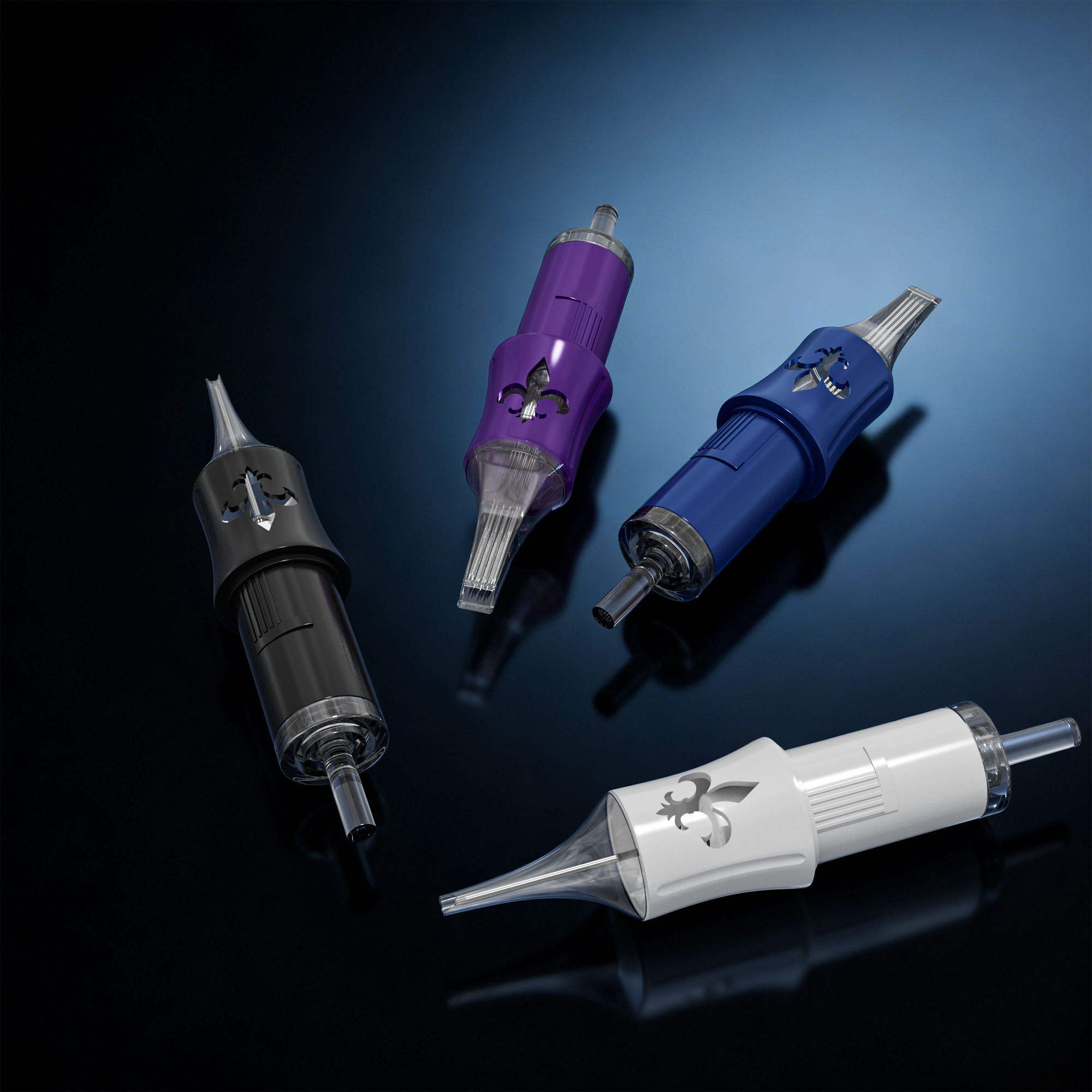
Professional tattoo results depend heavily on equipment quality. Artists using reliable tools can work faster and more efficiently, which may indirectly affect your final cost.
If you're a beginner or aspiring artist, investing in a high-quality tattoo gun kit or precision tattoo needles can significantly improve workflow and consistency. Brands like Neebol offer complete starter kits designed for performance, helping reduce mistakes and wasted time during sessions.
FAQ
Is $200 an hour expensive for a tattoo?
No, $200/hour is considered a standard rate for experienced professional artists.
Do all tattoo artists charge hourly?
No, some artists charge flat rates, especially for smaller tattoos.
How long is a typical tattoo session?
Most sessions last between 2 to 8 hours depending on the design.
Can I negotiate tattoo prices?
Negotiating is generally discouraged, as pricing reflects the artist’s skill and time.
What is the average tattoo cost in the US?
The average tattoo cost ranges from $100 to $300 per hour, depending on various factors.
Final Thoughts
Understanding tattoo hourly rates is essential when planning your next tattoo. Whether you're getting a small design or a full sleeve, knowing how pricing works helps you budget effectively and choose the right artist.
At the end of the day, tattoos are a long-term investment—quality should always come first.




Share:
How Much Does a Sleeve Tattoo Cost? 2026 Price Guide
Why Are Tattoos So Expensive? Full Tattoo Prices Explained