
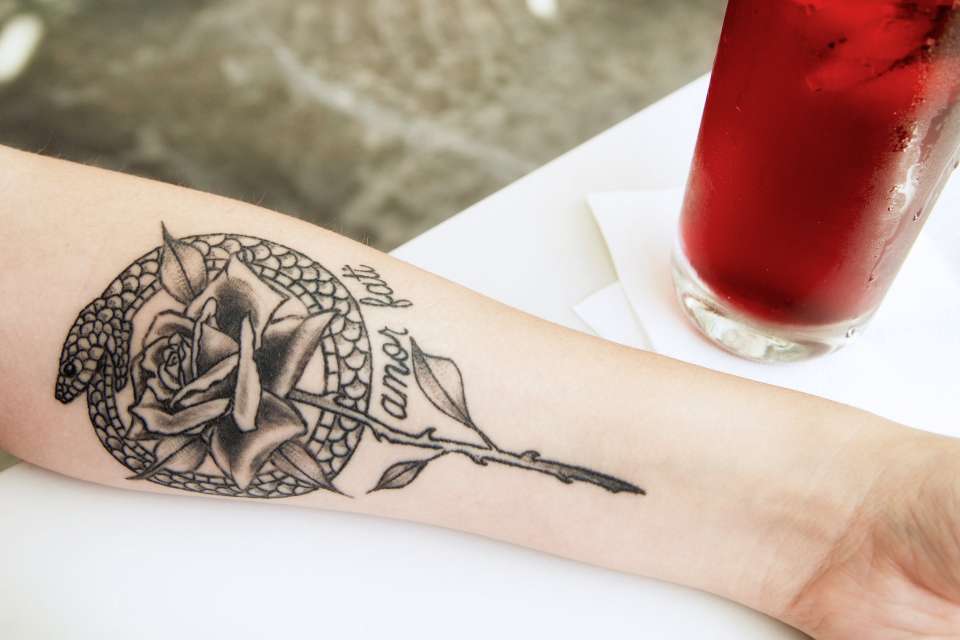
How Tattoo Pricing Really Works
If you’ve ever wondered how much does a tattoo cost or why tattoo prices vary so dramatically, the answer lies in how artists structure their pricing. Tattoo pricing is not arbitrary—it is carefully calculated based on time, skill, complexity, location, and studio overhead.
Many people look for a tattoo prices chart or search “how much are tattoos” online, but unlike standardized products, tattoo costs are highly personalized. Factors such as design, placement, and artist experience make each tattoo unique.
For a full overview of general tattoo pricing, including charts and examples, check out our mother article: Tattoo Prices Explained: How Much Does a Tattoo Cost.
Tattoo Pricing Models Explained
Hourly Rate (Most Common Pricing Model)
Most tattoo artists use an hourly pricing system. The rate for tattoo work depends on experience, skill level, and studio location. Hourly pricing is most commonly applied for large, complex, or custom designs.
Typical hourly ranges:
- Beginner: $50–$100/hour
- Intermediate: $100–$200/hour
- Professional: $200–$400+/hour
This approach directly answers questions like “how much would a small tattoo cost?” or “how much will a tattoo sleeve cost,” as pricing scales with time and complexity.
Flat Rate (Per Piece Pricing)
Flat-rate pricing is often applied to small tattoos, flash designs, or simple linework. It’s fixed regardless of the time spent, which is convenient for clients and artists alike.
Example small tattoo prices:
- Minimal line design: $80–$120
- Small color piece: $120–$200
This helps answer searches like how much is a little tattoo or how much does a small tattoo cost.
Day Rate / Session Pricing
For large-scale projects, some artists charge a day rate or session rate, usually ranging from $800–$2000+ per day. This is typical for:
- Full back pieces
- Full sleeves or multi-session projects
Day rate pricing ensures the artist’s time and effort are fully compensated. This explains why a sleeve tattoo cost can reach $1500–$5000+.
Key Factors That Affect Tattoo Prices
1. Size and Time Required
The largest factor influencing tattoo costs is the time it takes to complete. For example:
- Small tattoo: 30 minutes – 1 hour
- Medium tattoo: 2–4 hours
- Full sleeve tattoo: 10–40+ hours over multiple sessions
- Full back tattoo: 15–50+ hours
Longer sessions naturally cost more because each hour adds to the total price. This is where a tattoo cost calculator is helpful for clients planning their budget.
2. Design Complexity and Style
Not all tattoos are equal in difficulty. Realism, portraits, dotwork, and color-heavy tattoos require more skill and time, whereas minimal line or geometric tattoos are faster to complete. Complex designs usually increase both hourly rates and flat prices.
3. Artist Experience and Reputation
Experienced tattoo artists command higher rates due to their refined technique, strong portfolio, and demand. Beginners may charge lower to attract clients, but professional artists set prices based on skill and brand value. This directly influences the average tattoo cost.
4. Tattoo Placement on the Body
Certain body areas are more challenging and painful to tattoo, affecting both duration and cost:
- Ribs, spine, or chest
- Hands, fingers, or knuckles
- Neck and face areas
More difficult placement increases pricing. For example, a small rib tattoo might cost as much as a medium arm tattoo due to difficulty.
5. Location and Studio Costs
Tattoo prices also vary geographically. Major cities like Los Angeles, New York, or Miami typically have higher tattoo prices due to:
- Higher rent and studio expenses
- Greater demand for skilled artists
- Brand premium
6. Equipment and Supplies
Quality tools and supplies impact pricing. Professional artists invest in:
- Machines (rotary or coil)
- High-grade ink
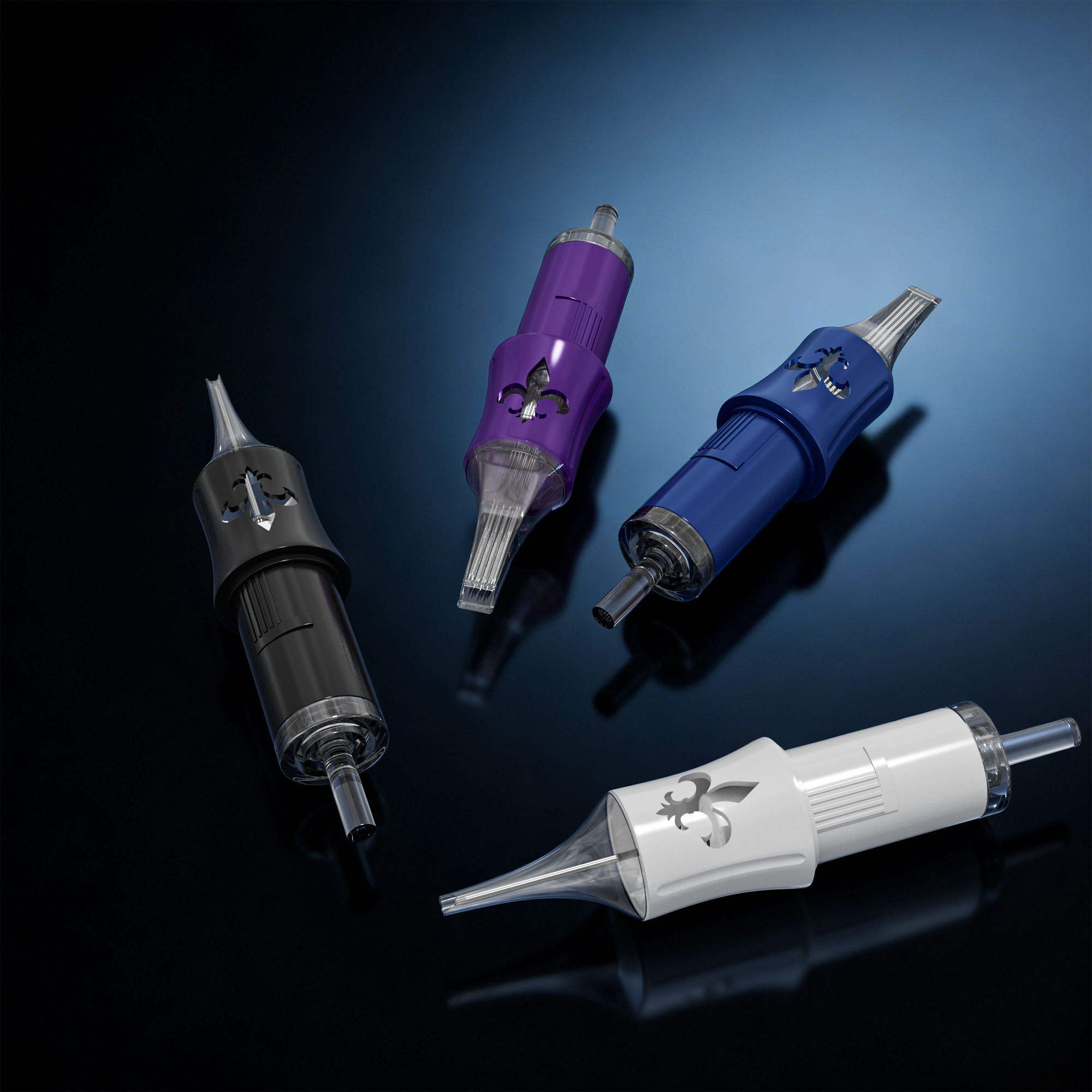
- Precision tattoo needles
- Hygiene materials and disposable items
Using high-quality equipment allows artists to work efficiently, finish designs faster, and charge higher rates. Many beginners start with the Neebol tattoo kit, which offers reliable machines and a complete setup, bridging the gap from novice to professional.
Minimum Fees, Deposits & Hidden Costs
Shop Minimum Fee
Most studios enforce a minimum fee, typically $60–$150, regardless of tattoo size.
Deposits
Deposits of $50–$200 are often required to secure appointments, protecting the artist against no-shows. Deposits are usually non-refundable but credited towards the final cost.
Hidden Costs
Clients sometimes overlook additional expenses:
- Tips (15–25% of total price)
- Custom design fees
- Touch-ups after healing
How Artists Calculate Tattoo Prices
Here’s a practical breakdown of how professional tattoo artists estimate pricing:
Step 1: Evaluate Design
Consider size, complexity, and color usage.
Step 2: Estimate Time
Artists estimate the number of hours required. Example:
- Small wrist tattoo: 30–60 minutes
- Medium upper arm tattoo: 2–4 hours
- Half sleeve: 6–10 hours
- Full sleeve: 15–30+ hours
Step 3: Apply Hourly Rate
Formula:
Total Cost = Hours × Hourly Rate
Step 4: Add Complexity Premium
More detailed designs, shading, color blending, or intricate linework increase the price.
Step 5: Provide Final Quote
Example quotes using realistic rates:
- Small tattoo: $100–$300
- Medium tattoo: $300–$800
- Half sleeve: $800–$2500
- Full sleeve: $1500–$5000+
Pricing Strategy for Tattoo Artists
Don’t Compete on Price
Quality always outweighs low pricing. Competing solely on price can undervalue the artist’s time and skill.
Raise Prices with Demand
When an artist becomes popular, adjusting rates ensures sustainable income.
Specialize in a Style
Artists focusing on a niche, like realism, dotwork, or fine line, can command premium rates due to expertise.
Improve Efficiency
Better tools, like a stable Neebol tattoo kit or precision tattoo needles, increase workflow efficiency, allowing artists to handle more clients and optimize earnings.
Common Tattoo Pricing Mistakes
- Underpricing, especially for beginners
- Not charging for design time
- Ignoring overhead and supply costs
- Copying other artists without considering own skill level
FAQ
How do tattoo artists decide tattoo prices?
They calculate based on time, complexity, skill level, supplies, and studio overhead.
Do tattoo artists charge per hour or per piece?
Both methods are used. Small tattoos often have flat-rate pricing; large projects typically use hourly rates.
Why do tattoo prices vary so much?
Variations in design complexity, artist experience, location, and supply costs all affect pricing.
How much does a small tattoo cost?
Small tattoos generally range from $80–$300 depending on size, placement, and detail.
How much will a tattoo sleeve cost?
Full sleeve projects can range from $1500 to $5000+, depending on the artist, complexity, and number of sessions.
-
Conclusion
Tattoo pricing is a structured system based on time, skill, complexity, and demand. Whether asking how much are tattoos or planning a sleeve, understanding how artists price their work ensures clients make informed decisions.
For a complete breakdown, including charts and examples, read: Tattoo Prices Explained: How Much Does a Tattoo Cost.




Share:
Why Are Tattoos So Expensive? Full Tattoo Prices Explained